
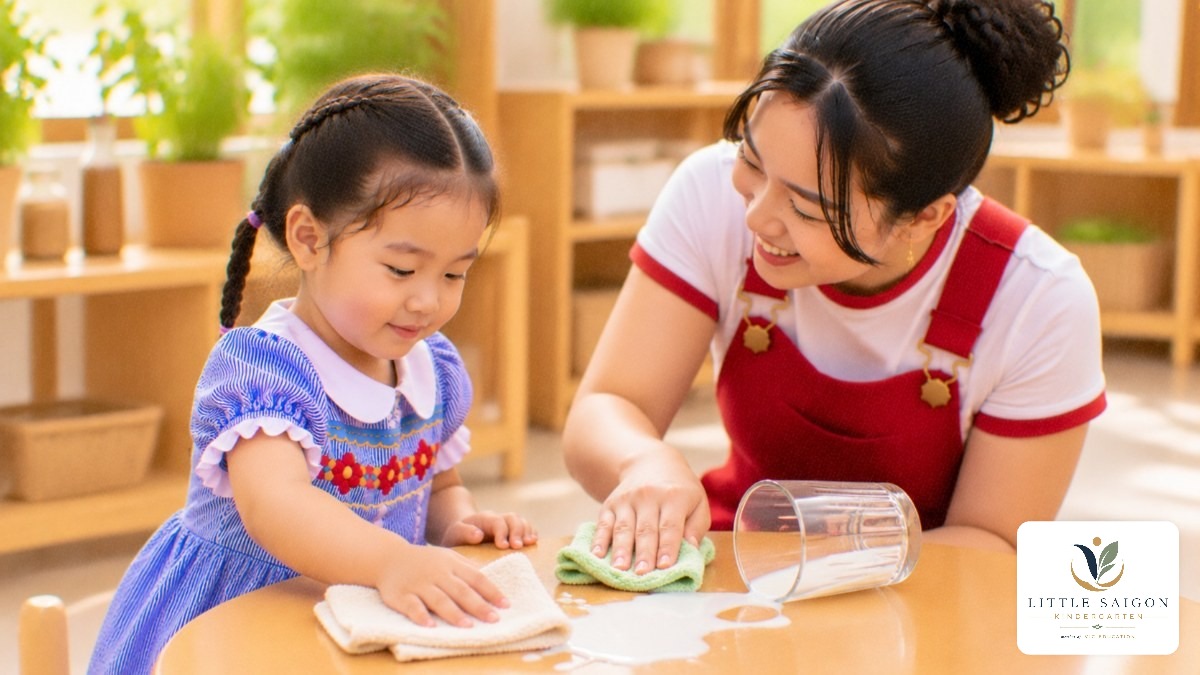
Why parents lose their temper, how shouting affects young children, three steps to repair afterwards

Attachment theory for parents, why good enough is enough, eight daily habits that build secure attac

How to teach private-parts rules, the right to say no, secrets versus surprises, the five trusted adults and what parents need to do.

A four-week plan to prepare your child emotionally and practically for nursery or kindergarten, how to say goodbye and what is normal in the first month.

What research says about spanking, why no hitting does not mean permissive, nine positive discipline tools and what to do when a child hits a sibling.

Research on praise and growth mindset, three kinds of praise, ten better phrases and what to say when your child fails.

Why two- to six-year-olds fear the dark and have nightmares, five things not to say, eight ways to help and when to ask a specialist.

Five myths about early bilingualism, why children mix two languages, and how parents who are not fluent in English can support their child.

Why preschoolers lie, lying at each age, reactions to avoid and seven ways to nurture honesty without punishment or threats.
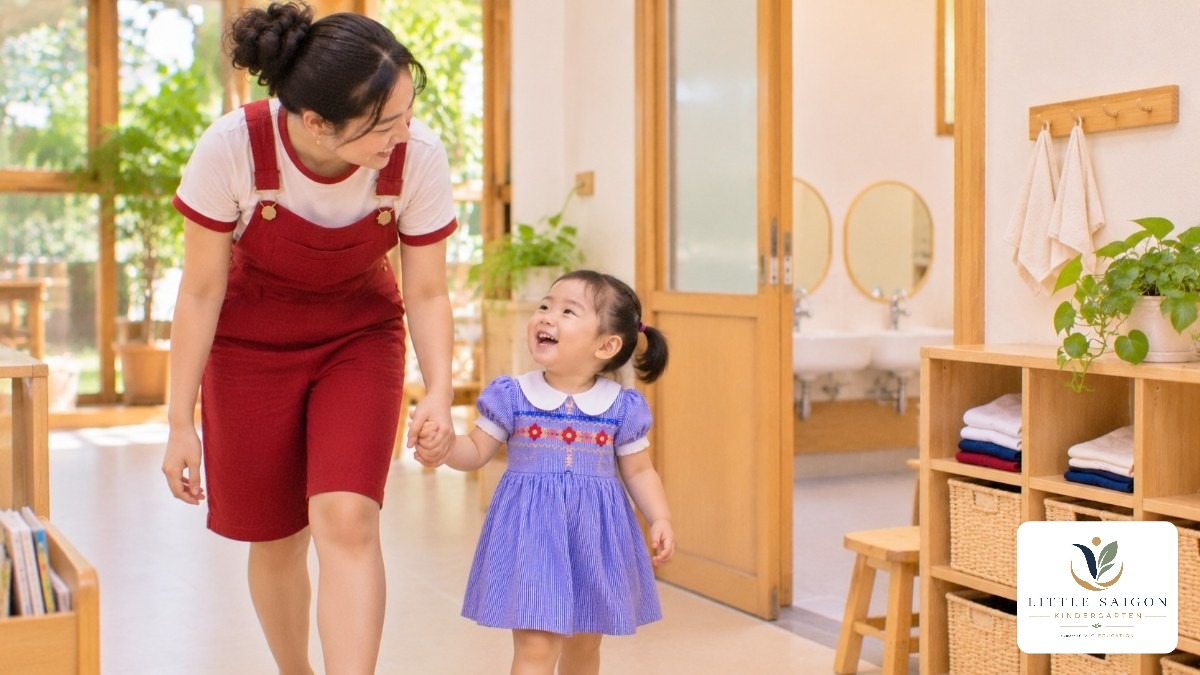
When children stop wearing nappies, eight signs of readiness, six steps to tear-free potty training and what to do about setbacks.

Why some children are shy and slow to warm up, five things adults should avoid and seven ways to build confidence that respect temperament.
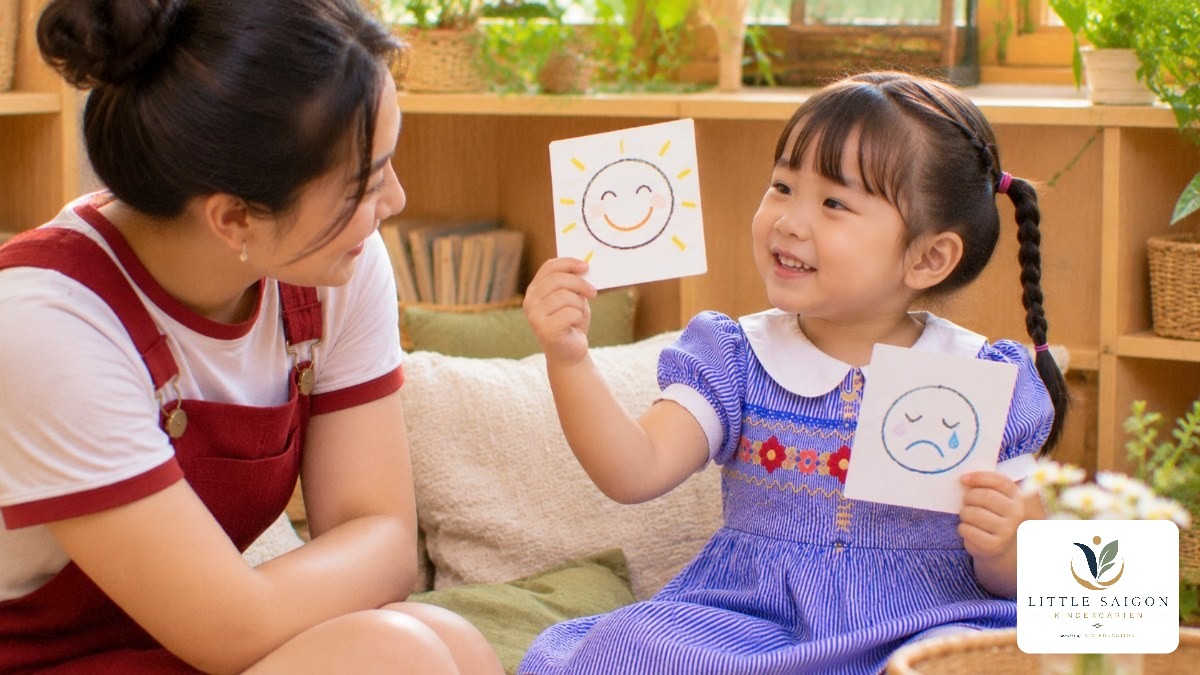
What emotional intelligence is in young children, four parental response styles, five steps of emotion coaching and feeling words to teach by age.

Why children are jealous of a new sibling, common regressions, how to prepare your child before the birth and seven ways to help siblings bond.

Why two- to four-year-olds say no, four parenting styles, and seven positive discipline techniques for setting limits without shouting or hitting.

Why to let children do it themselves, age-appropriate chores and self-care tasks from 1 to 6, and four steps for teaching a new skill.

Sleep needs from ages 1 to 6, signs of too little sleep, a thirty-minute bedtime routine and what to do when your child stalls.

Why one- to three-year-olds bite and hit, how adults should respond in the moment, and how to teach words in place of actions.

Language milestones by age, signs of speech delay that need a check-up, and seven daily habits that help your child talk more.

Why two- and three-year-olds have tantrums, what happens in the brain, and five steps to ride out the storm without shouting or giving in.

Why children cry when parting from parents, how long settling in takes, and a goodbye ritual that makes mornings gentler for the whole family.

Chi Nguyen
Founder & Principal
M: +84 967 168 058
 Campus 1:
VICTORIA BILINGUAL PRESCHOOL SYSTEM HCMC
29 Sử Hy Nhan, Phường Thạnh Mỹ Lợi, TP. Thủ Đức
Tel: 028 3535 0159
Hotline: 0967168058
Follow us




Campus 2:
LITTLE SAIGON KINDERGARTEN
63/16 Đường Số 36, Phường Linh Đông, TP. Thủ Đức
Tel: 028 3535 7589
Hotline: 0967168058
Follow us