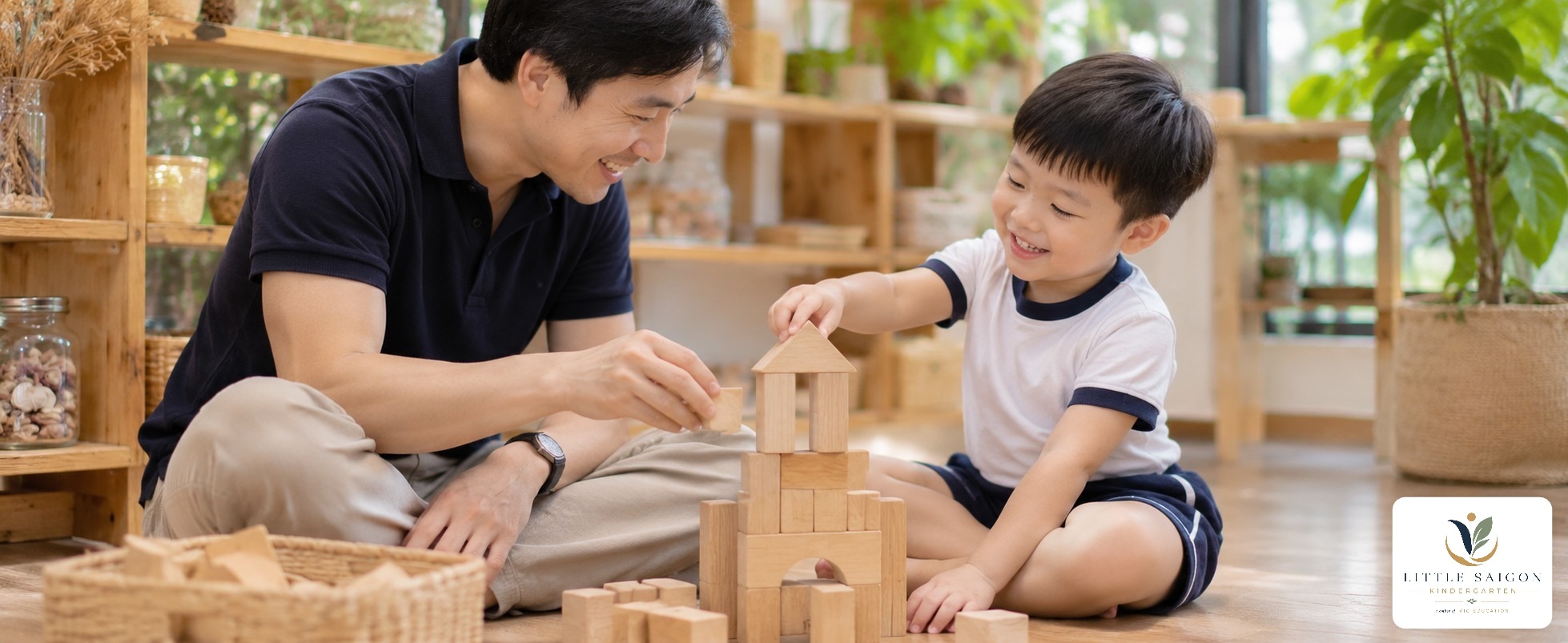


The Reggio Emilia approach for 12 to 36 months: relationships as the curriculum, the projects of ver
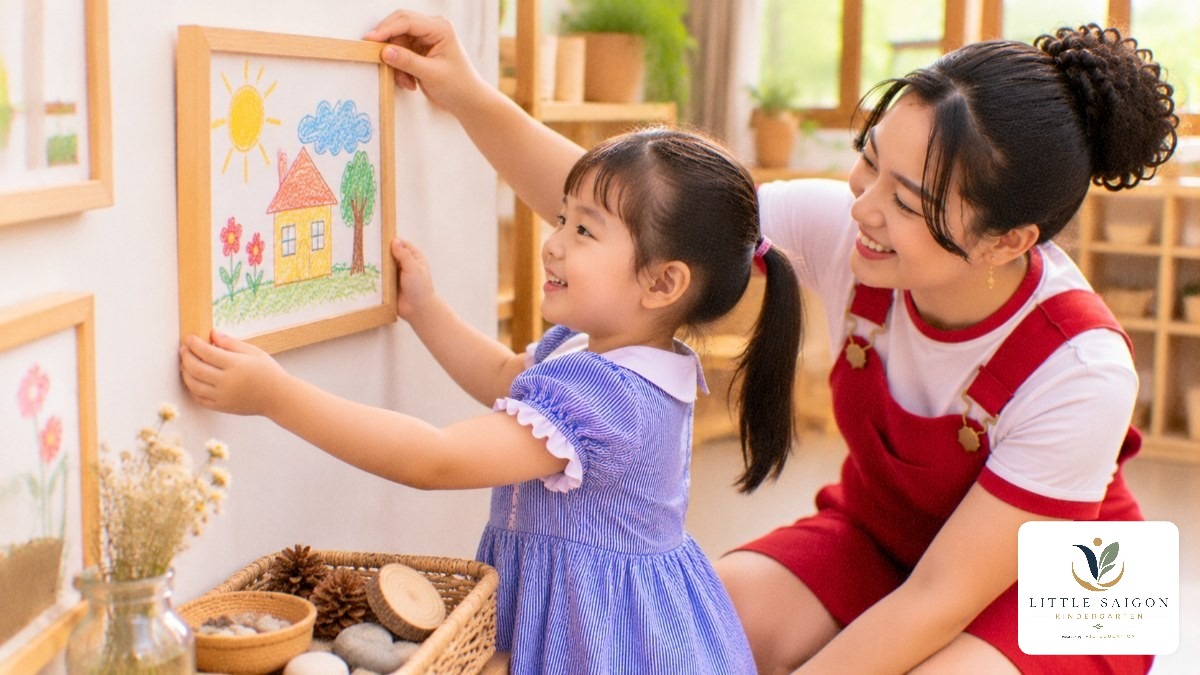
Ten ways to bring Reggio Emilia home for ages 1 to 6: play corners, loose parts, open questions, pro

How class size and teacher-child ratios affect preschoolers, what research says, why Reggio Emilia works in small groups and questions to ask.

What the pedagogy of listening is, why listening to children is hard, eight listening habits and questions to replace “how was school today”.

The origins of the Reggio Emilia approach in Italy after 1945, the role of Loris Malaguzzi, key milestones and what Reggio Emilia Inspired means.

Clay in Reggio Emilia education, how it differs from play dough, four stages of getting to know clay, four basic techniques and how to prepare.
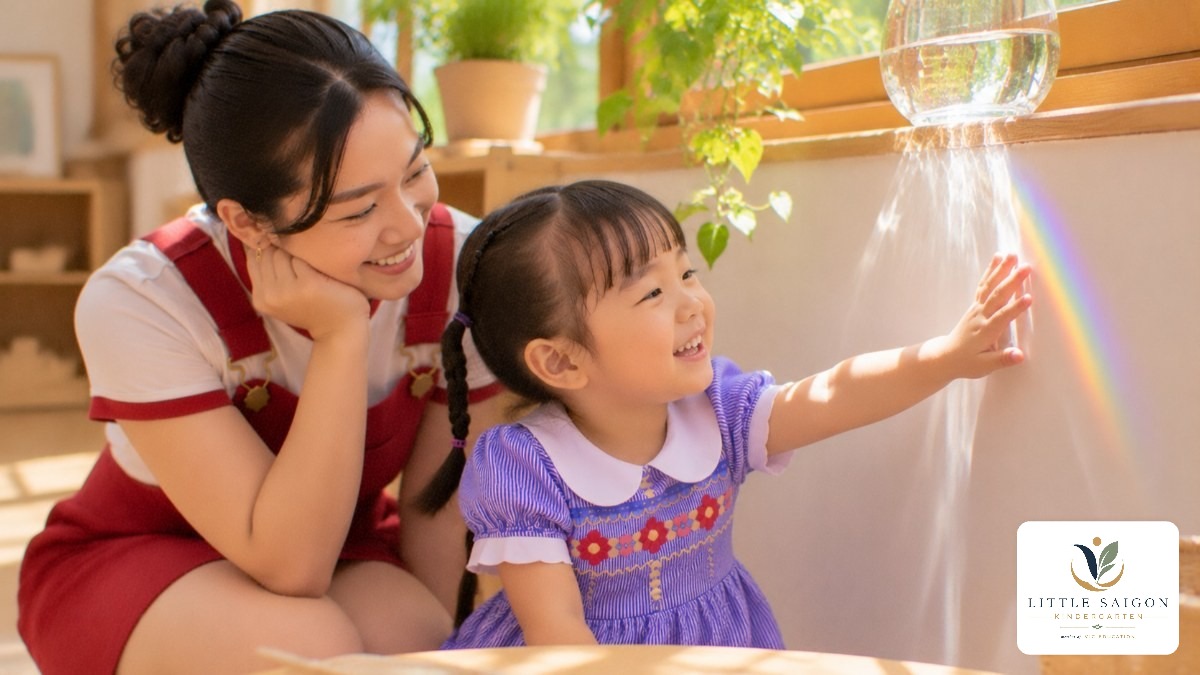
Why light, shadow and the light table are learning materials in Reggio Emilia, what children learn and ten easy light games.
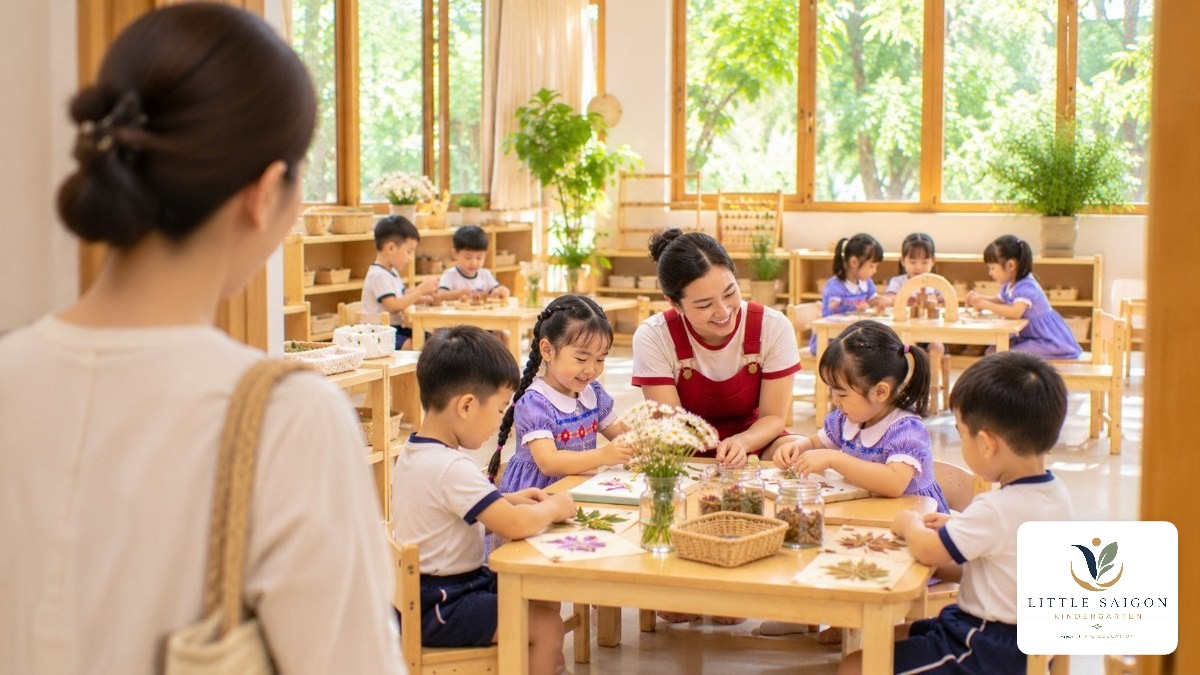
What to observe in a classroom, twelve questions to ask the school, how to listen to the answers and six signs to think twice.

What loose parts are in Reggio Emilia education, seven easy-to-find groups of materials, benefits for creative thinking and a safe set-up at home.
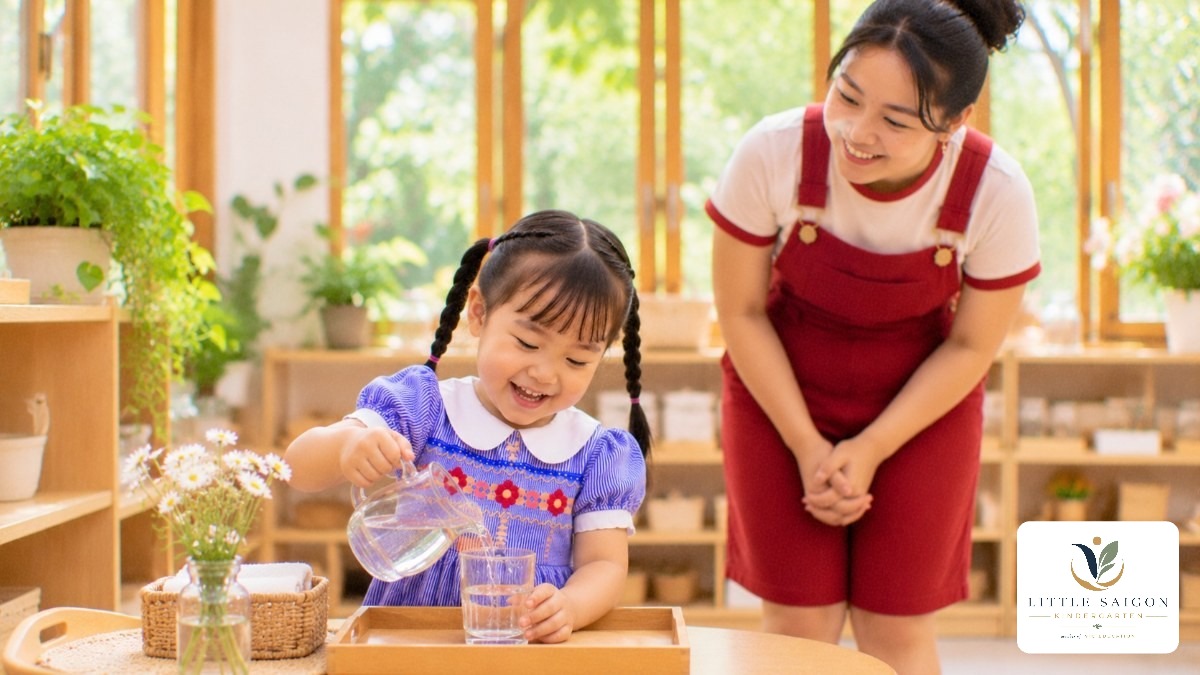
What the image of the child means in Reggio Emilia, the expectation effect, and five phrases that help children grow confident in their abilities.
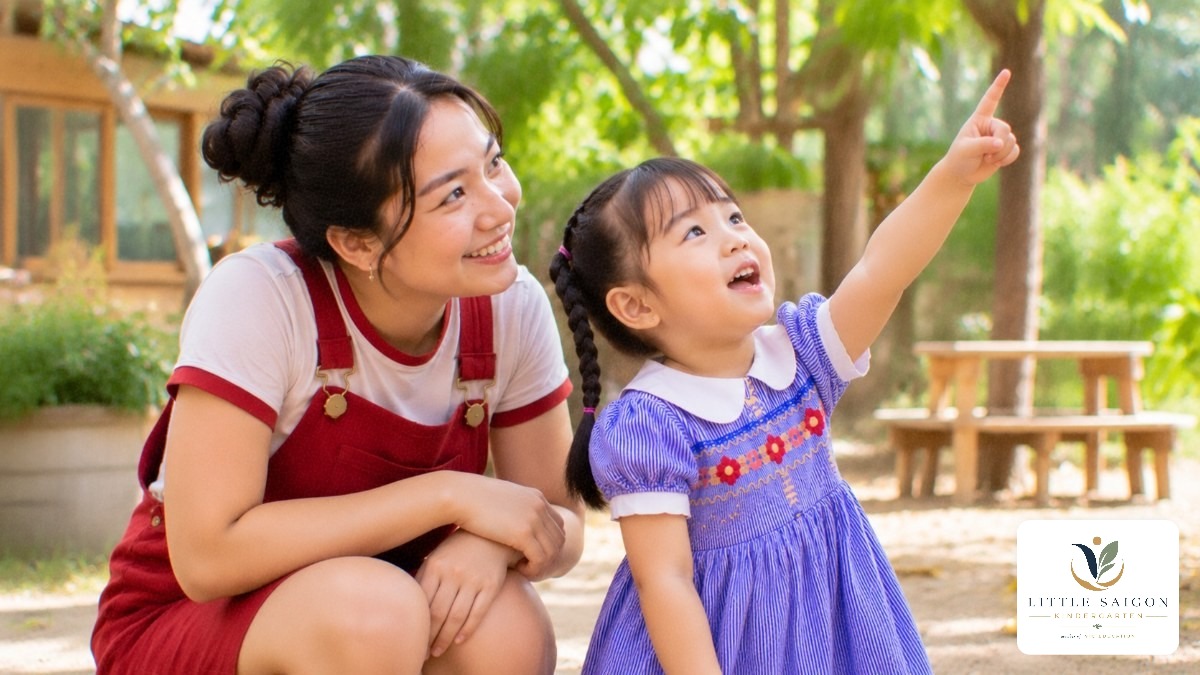
What open-ended questions are, why Reggio teachers rarely answer for children, twelve questions for every day and three listening techniques.

Reggio Emilia and Montessori compared through seven classroom differences, what they share, and how to choose the right preschool.

What the atelier is, how it differs from ordinary art lessons, why process matters more than product and how to bring the atelier home.

What Grade 1 teachers need from pupils, whether early reading is an advantage, and how project learning prepares children for primary school.

Why Reggio Emilia sees parents as partners, what you are entitled to expect, and seven ways to accompany your child’s learning.

What documentation of learning is in Reggio Emilia, how it differs from reward stickers, and how to read a documentation panel.

What project-based learning is in preschool, three phases of a project, how it differs from themes, and how children meet letters and numbers through projects.

Why Reggio Emilia calls the environment the third teacher, five features of a space that teaches, and how to arrange four play corners at home.

What the hundred languages mean in Reggio Emilia, why not to draw models or correct a child’s picture, and six ways to open up creativity at home.

What Reggio Emilia is, how children learn, how it differs from Montessori, and how to recognise a preschool that truly practises it.
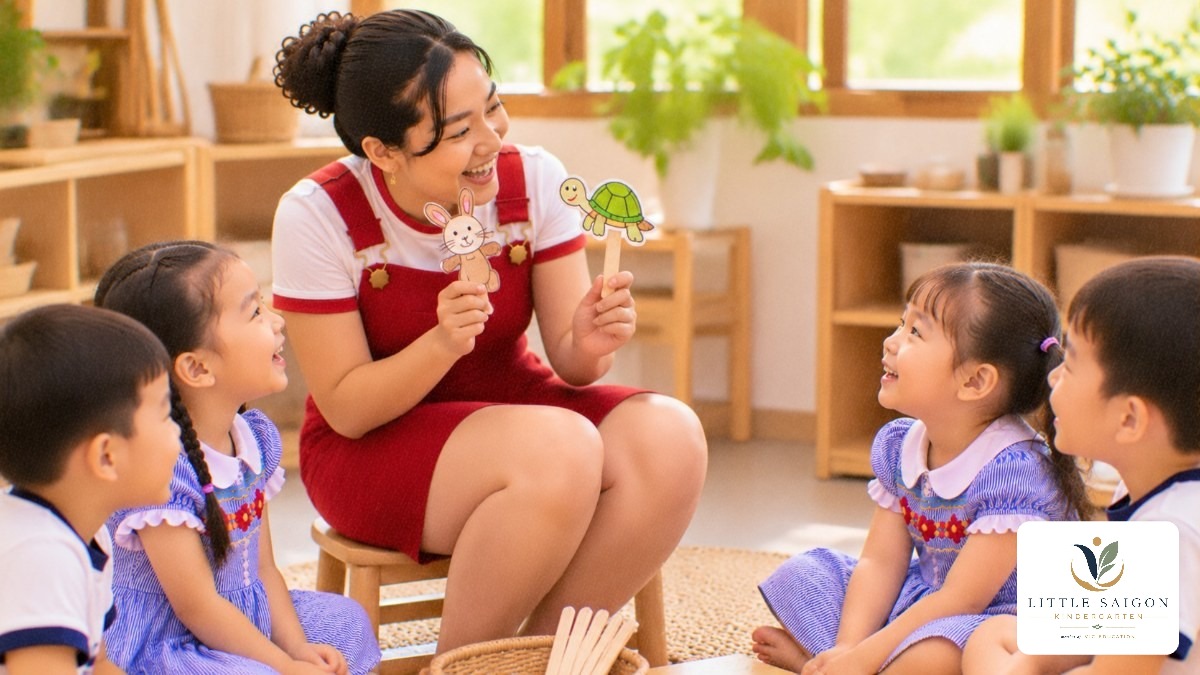
How oral storytelling builds language and imagination, a quick story formula, seven kinds of nightly stories and how to invite your child to join in.
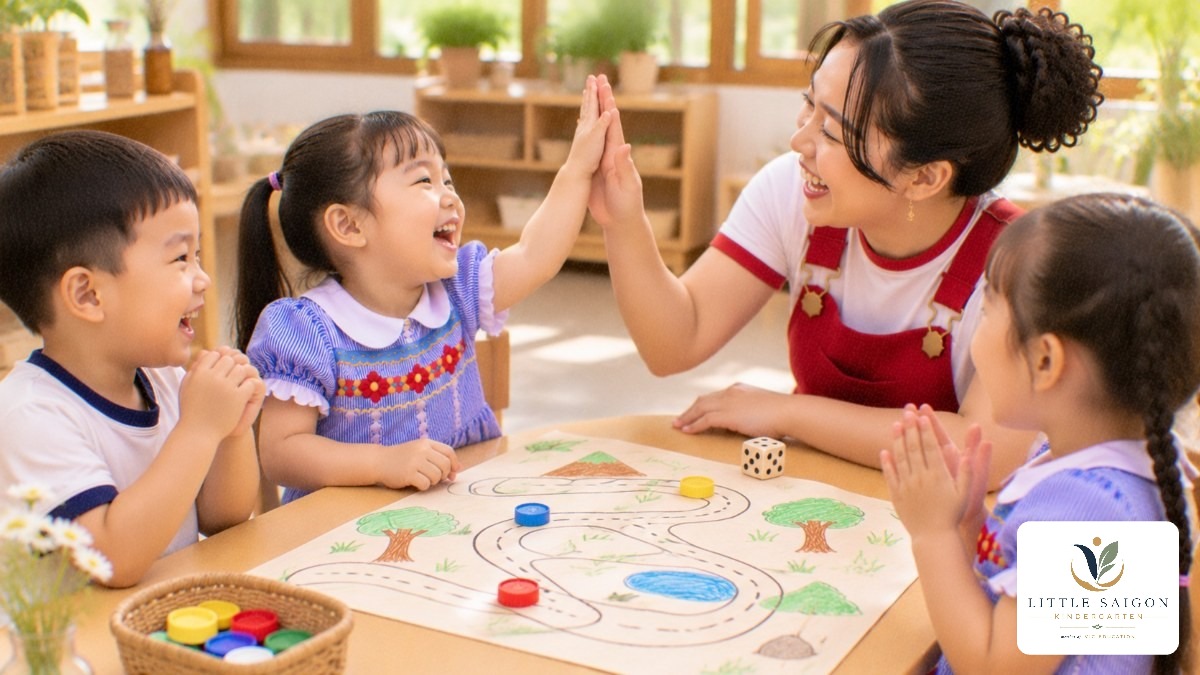
Benefits of board games, suggestions by age, how to make your own, whether to let your child win and what to do when they cry over losing.

Benefits of gardening with preschoolers, eight easy balcony plants, garden tasks by age and how to keep a plant diary together.

Screen-free games for waiting, long drives and restaurants; how to pack a small play bag and help your child ask for the phone less.

Why children love water and sand, what they learn, ten water games, eight sand games, playing in a city home and safety rules.
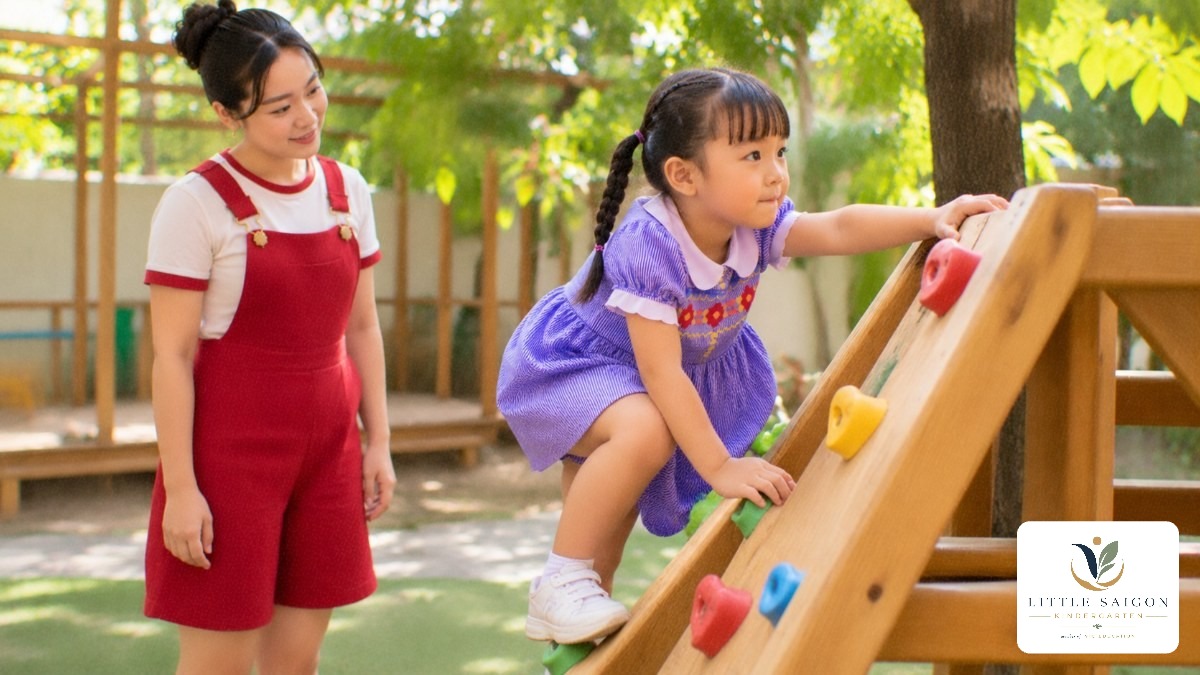
What risky play is, benefits for confidence and movement, risk versus hazard, and what to say instead of “be careful”.
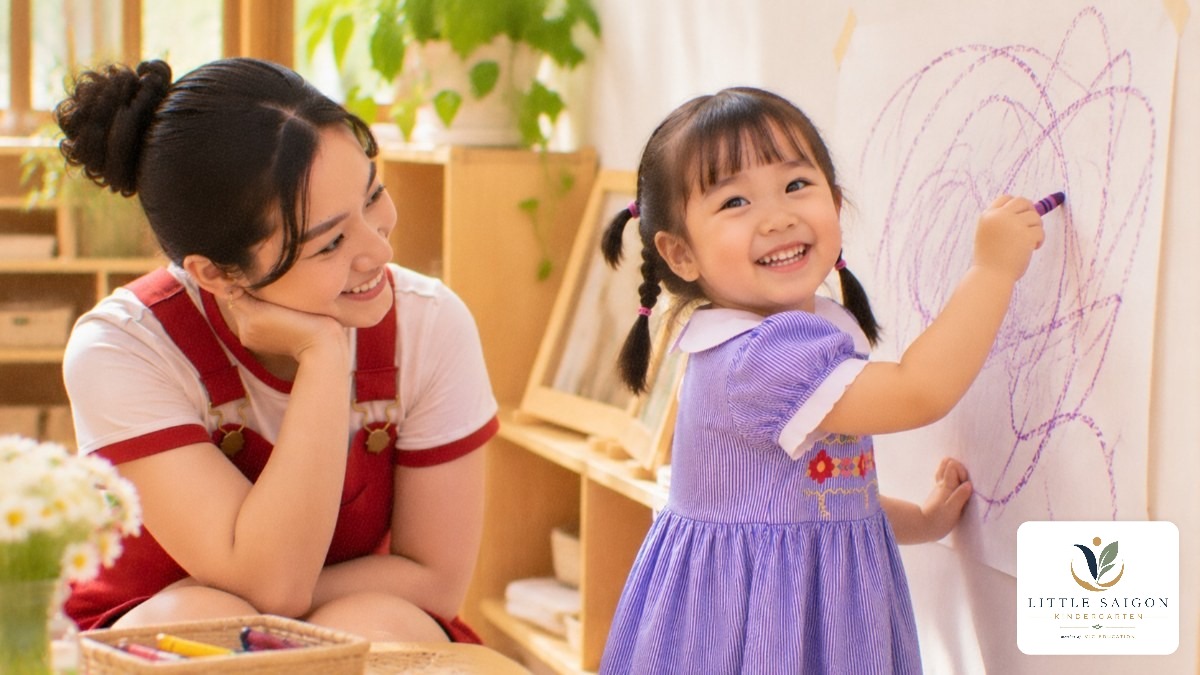
Four stages of children’s drawing, how to talk about a picture, what to avoid and how to set up a drawing corner at home.

Twelve folk games and nursery rhymes for 18 months to 6 years, how to play, and benefits for language, movement and social skills.

How to choose safe, brain-building toys from birth to 6, suggestions by age and how to rotate toys at home.

Why little ones learn through the senses, benefits of sensory play and fifteen safe activities with water, sand and dough.

How music benefits the brain and language, age-appropriate musical activities and twelve games for singing, dancing and keeping the beat.
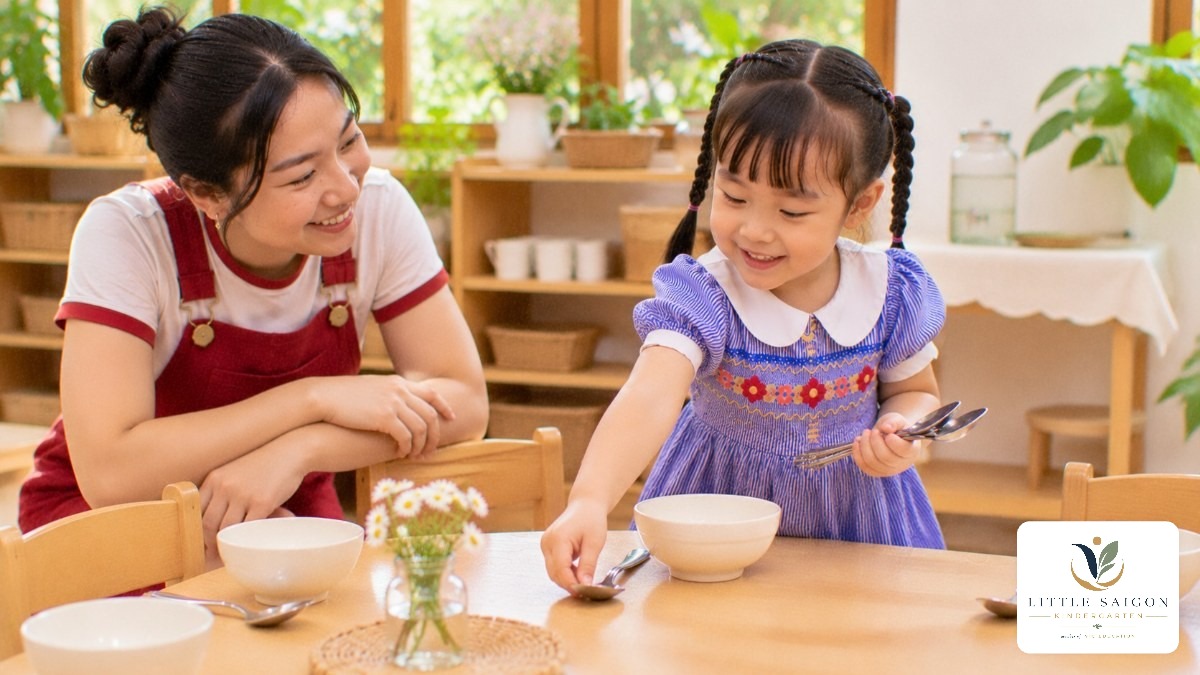
What early mathematical thinking is for ages 3 to 6, five big ideas before Grade 1 and fifteen simple maths games from daily chores.
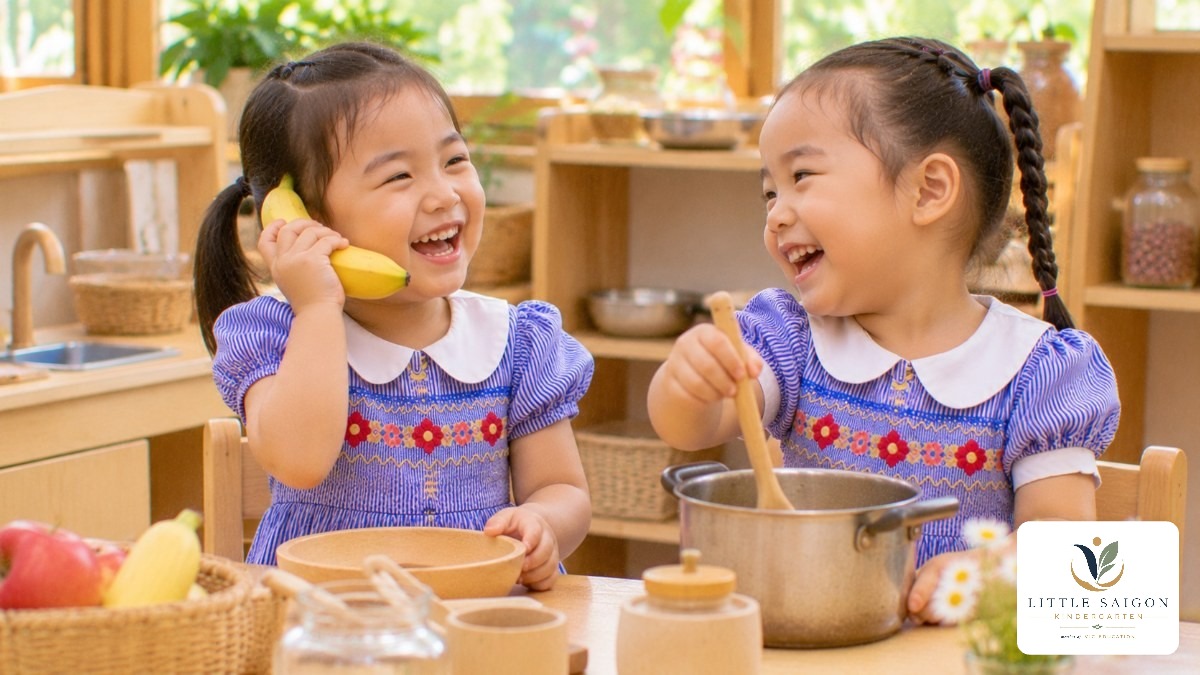
Benefits of role play for language, thinking and emotions, stages of pretend play by age and how to set up a role-play corner at home.

Why not to push early handwriting, stages of pencil grip by age and fifteen fine-motor games that prepare for Grade 1.

Why preschoolers need daily outdoor play, benefits for eyesight, body and mood, and twelve easy nature activities in the city.
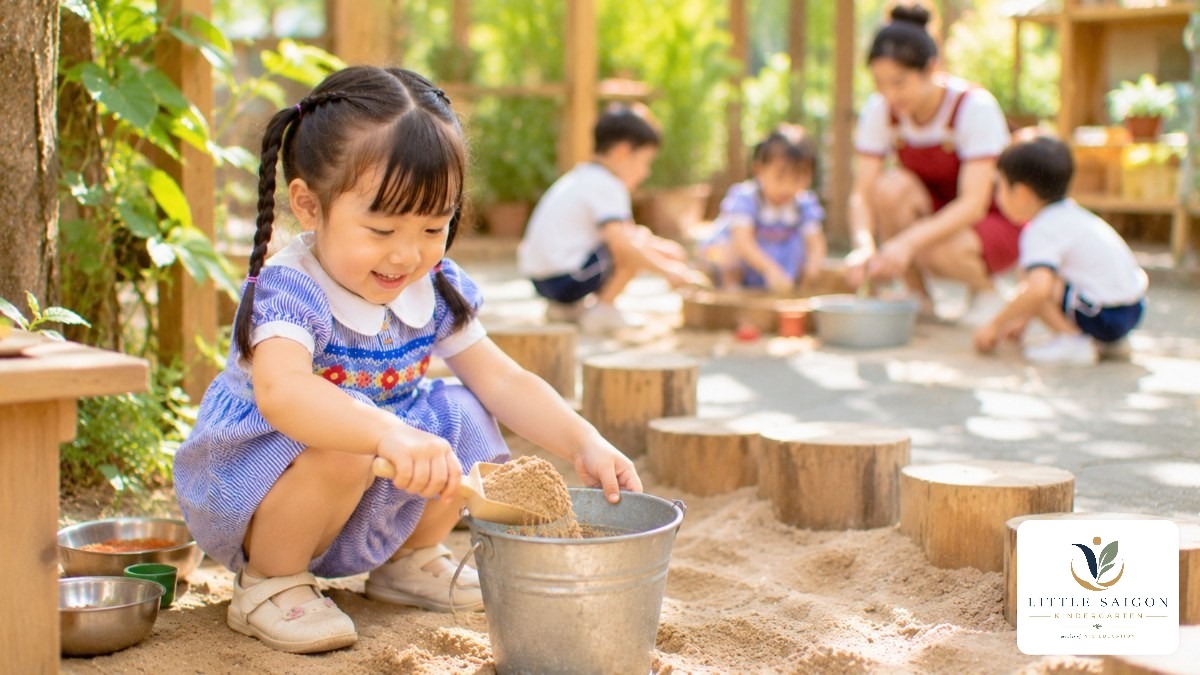
Six stages of play from 0 to 6, why solitary play is a strength, how to support social play and signs to watch for.
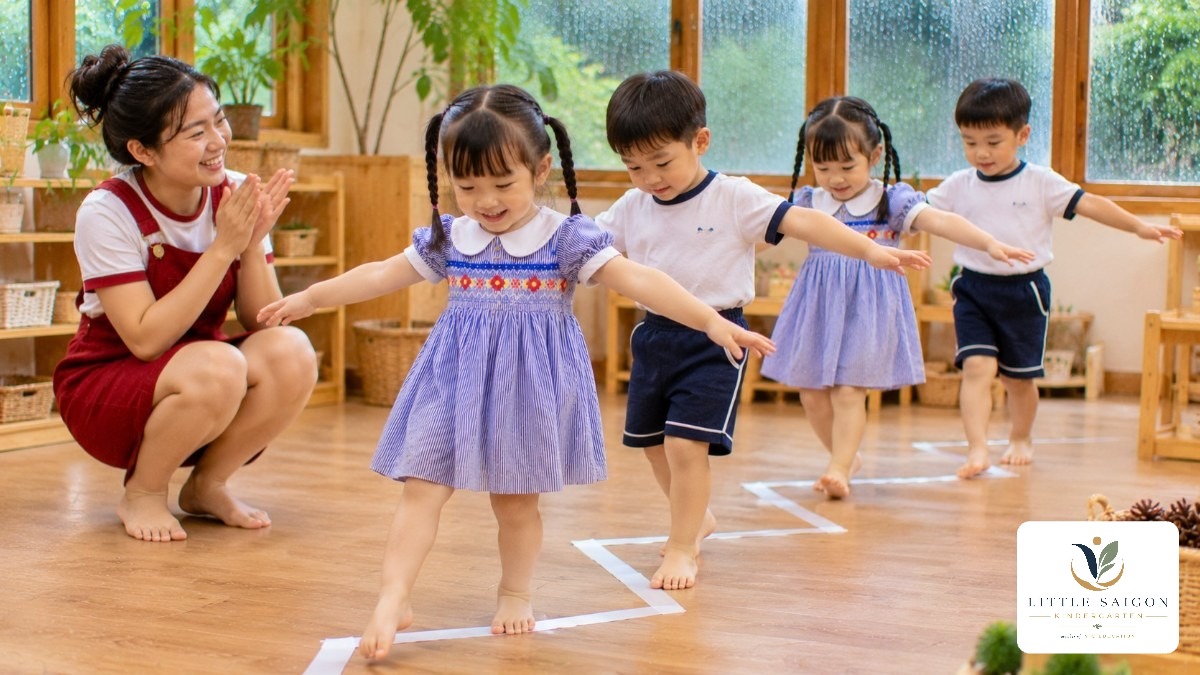
How much movement children aged 1 to 6 need each day according to WHO, and twelve simple indoor active games.
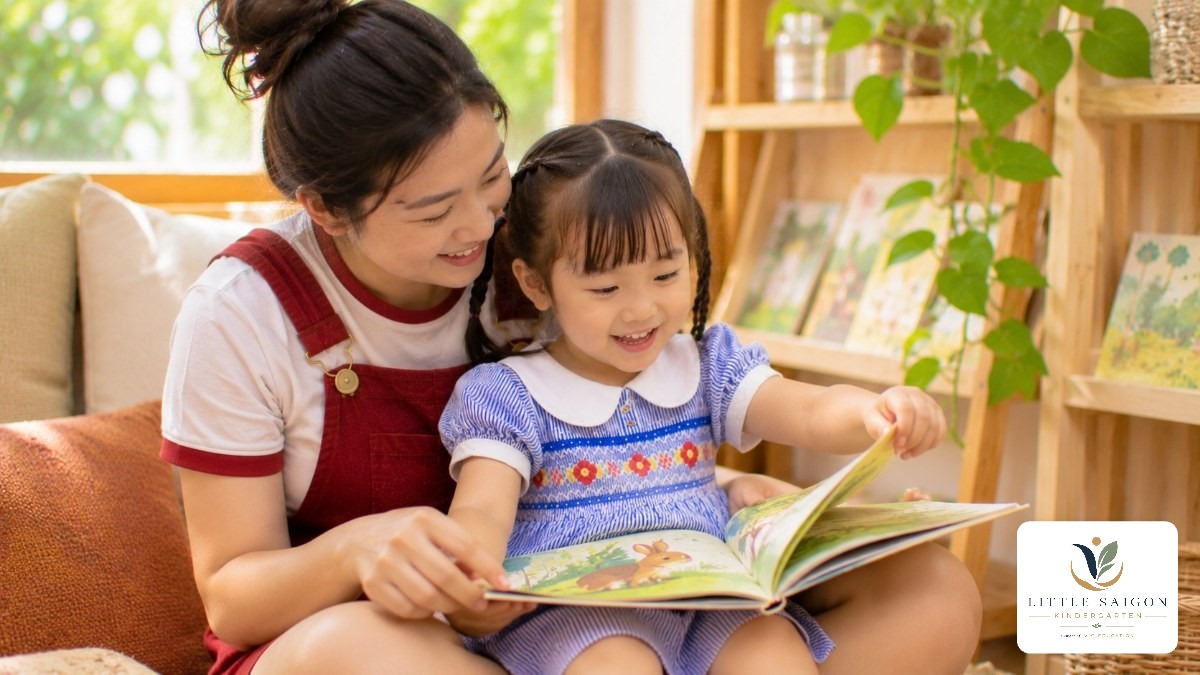
Why to read early, how dialogic reading builds language, and book suggestions for each age from newborn to six.

WHO and AAP guidance on screen time, signs of too much, and ten simple games at home to replace the phone.
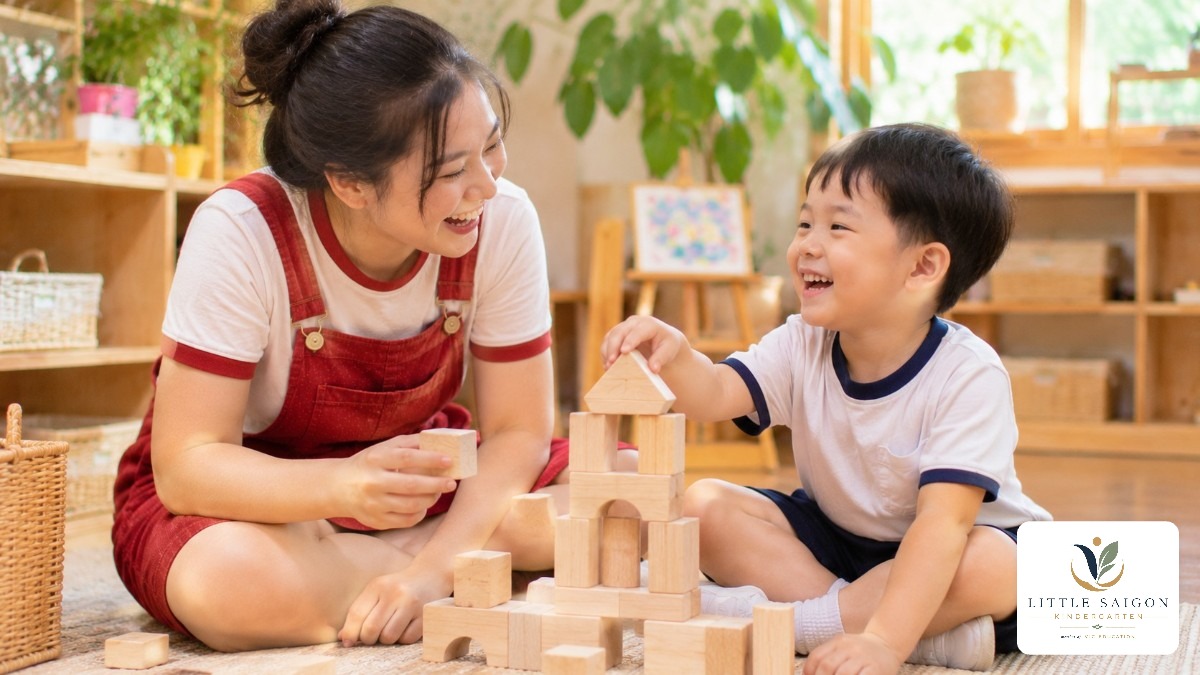
Why play is the most important learning for under-sixes, and five principles that make your fifteen minutes a day truly count.

Research on family meals, five table agreements, conversation ideas for preschoolers and solutions when parents get home late.
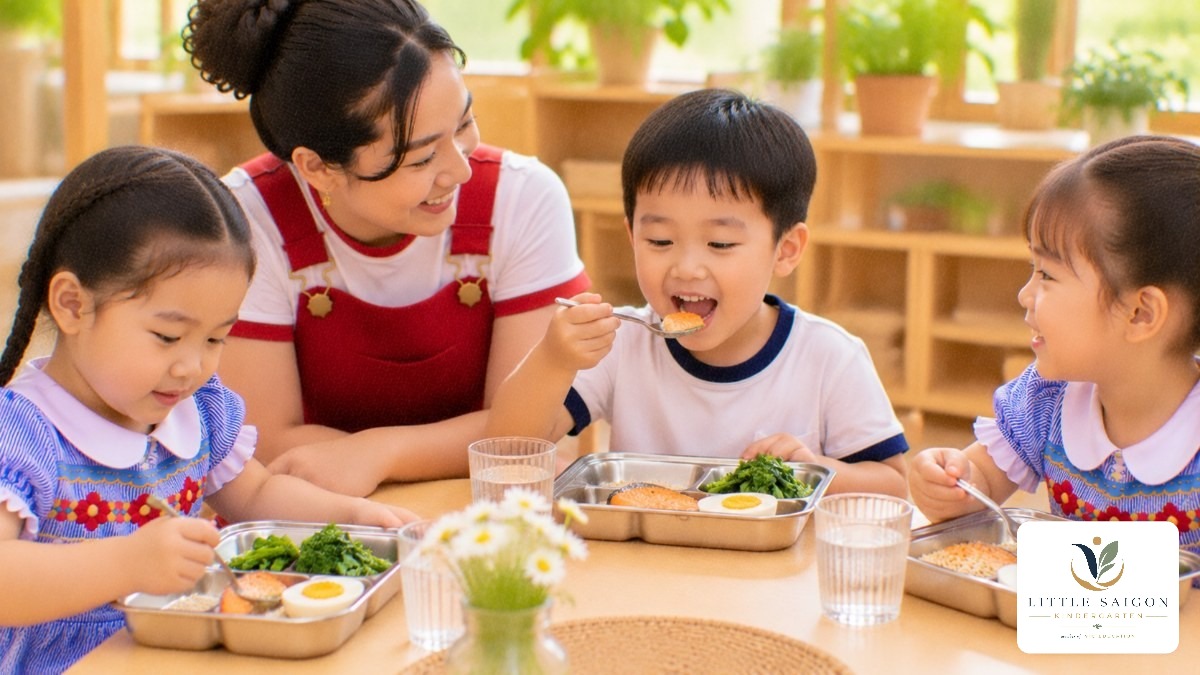
Six essential nutrients for the brain from 0 to 6, ten brain-friendly foods, how to serve fish safely and whether DHA supplements are needed.

Eating and drinking during fever, diarrhoea, vomiting and coughs; correct rehydration, seven taboos to reconsider and signs that need a doctor now.

Traditional, Japanese-style and baby-led weaning compared, signs of readiness, nine shared principles and a schedule from 6 to 12 months.

Common choking foods for under-fives, safe cutting and preparation, seven table habits and how to tell gagging from choking.
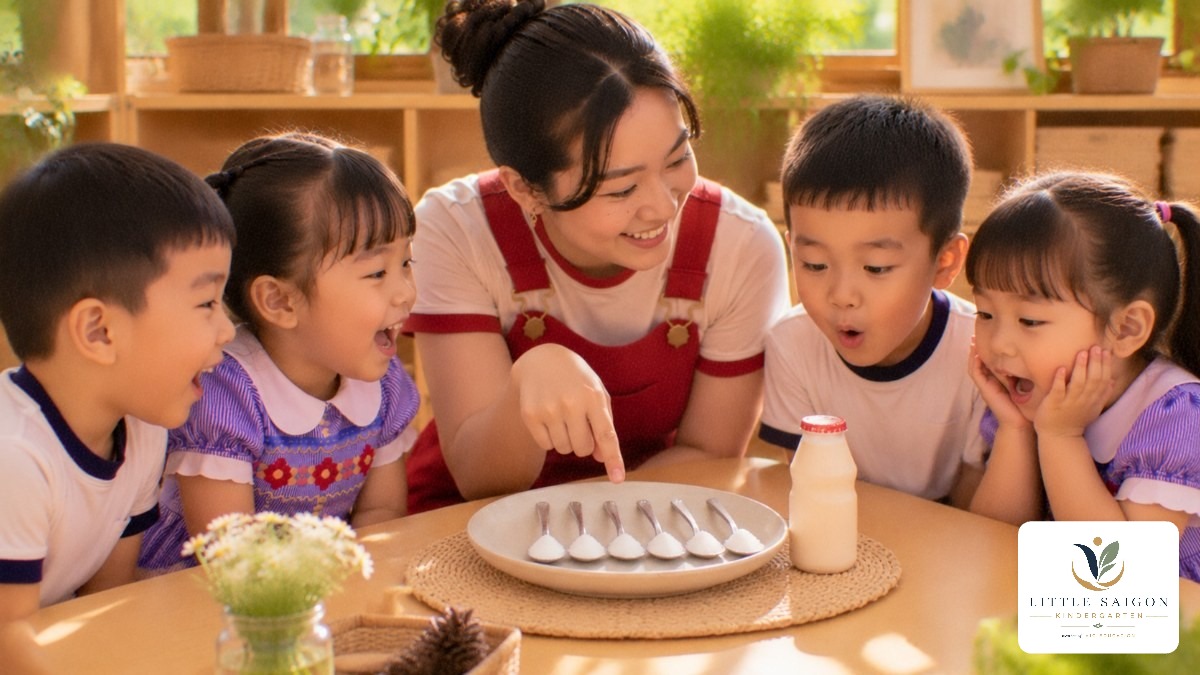
Sugar recommendations for young children, eight foods with hidden sugar, how to read a label in ten seconds and seven ways to cut back.

Why breakfast matters, the four-part formula, fourteen quick balanced breakfasts and what to do when your child refuses to eat in the morning.

Seven reasons children hold food and eat slowly, eight ways to shorten meals without pressure, how to practise chewing and when to see a doctor.

Benefits of bringing children into the kitchen, suitable tasks from 18 months to 6 years, safety rules and five first dishes they can make.

Why well-fed children can still lack micronutrients, signs of low iron, zinc, calcium and vitamin D, foods to offer and seven habits that help.

Signs of constipation, why children hold it in, fibre-rich foods, five supportive habits and when to see a doctor.

Why new starters fall ill, how many illnesses a year are normal, five foundations of immunity and when to keep your child home or see a doctor.

How to tell whether your child’s weight is on track, why young children should not diet, and eight family habits for healthy growth.

What dinner should top up after three meals at school, the balanced plate formula, a seven-day quick menu and five tips for busy evenings.

Recommended water and milk for ages 1 to 5, limits on fruit juice, drinks to avoid and five healthy drinking habits.
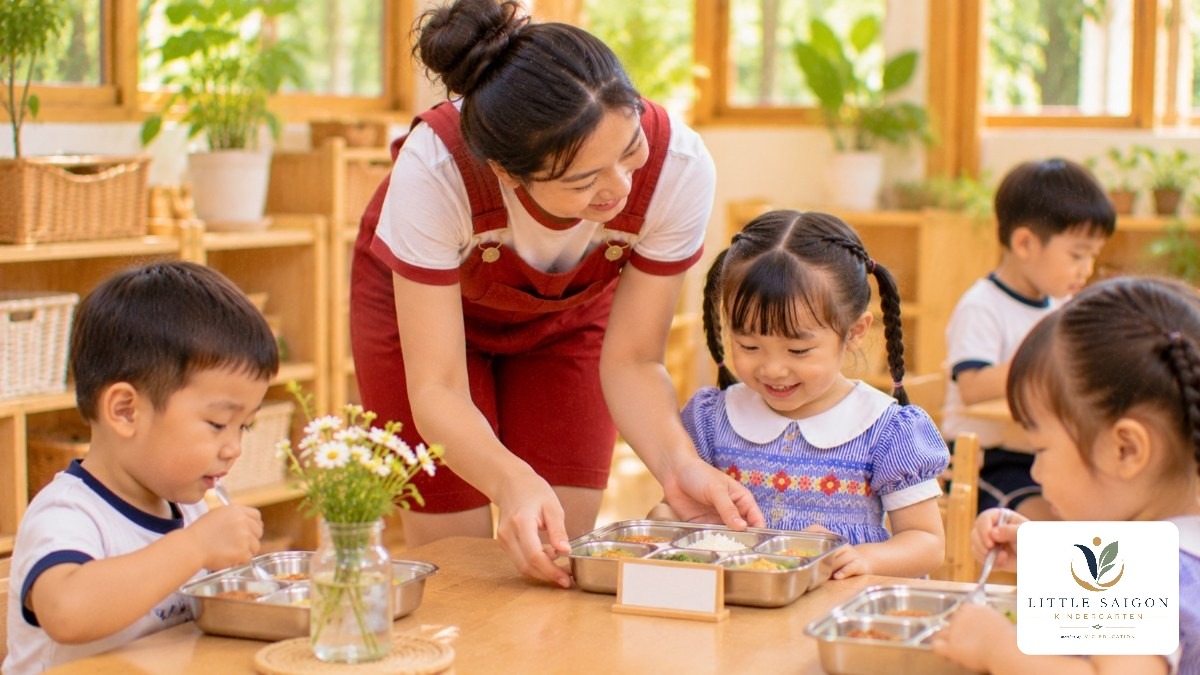
Allergy versus intolerance, common allergens in children, emergency signs and six things to do before your child starts school.
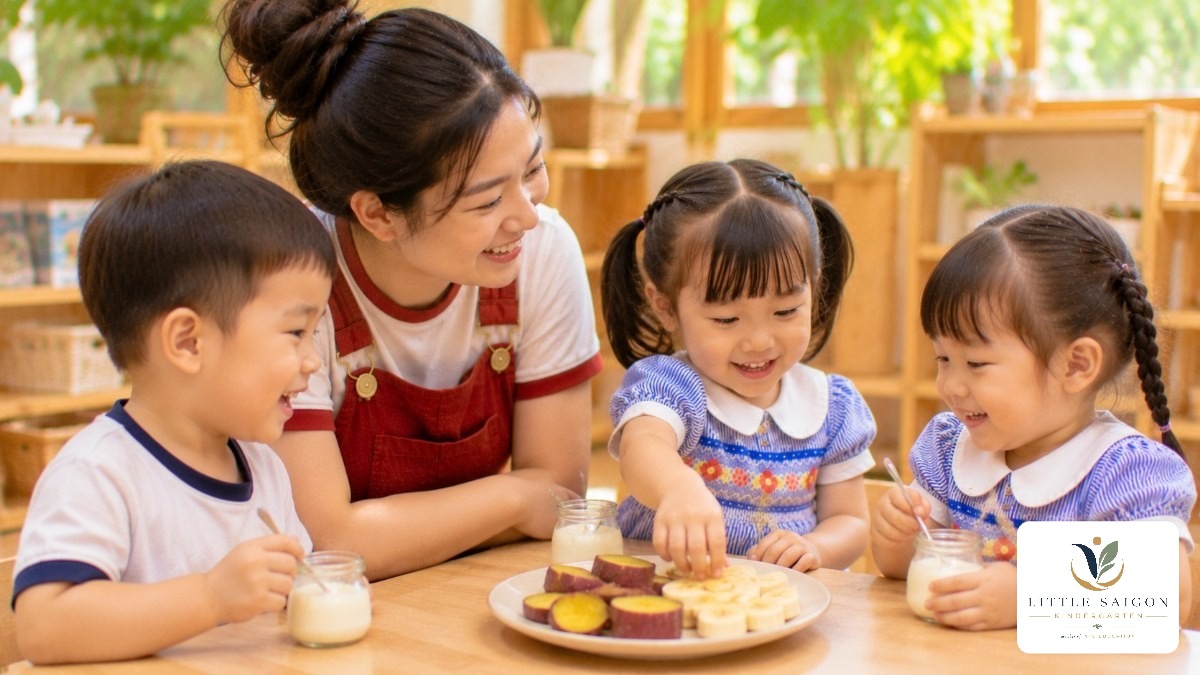
When, what and how much to offer at snack time, twelve healthy snack ideas and choking-prevention notes for young children.

Why young children dislike vegetables, the fifteen-exposures rule, and nine simple ways to help without forcing or bribing.
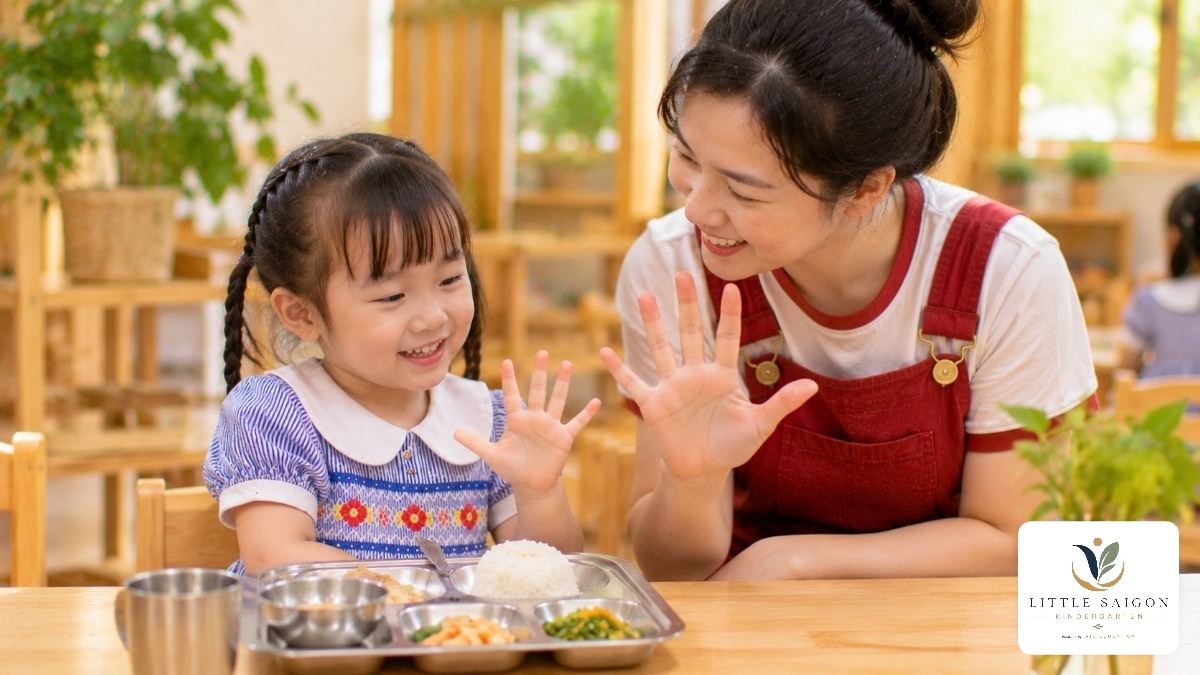
Portions for ages 1 to 6 estimated with the child’s own hand, four food groups a day, sugar limits and signs your child is eating enough.
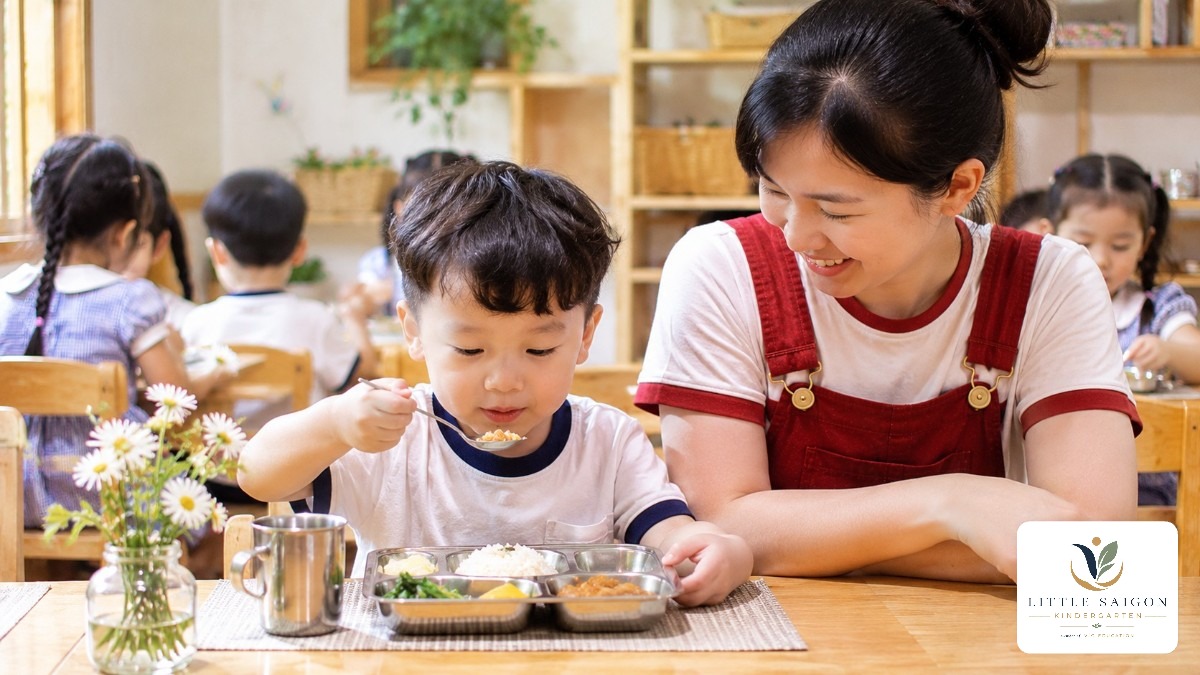
Why children eat less after age one, why they fear new foods, and what parents can do so mealtimes stop being a battle.
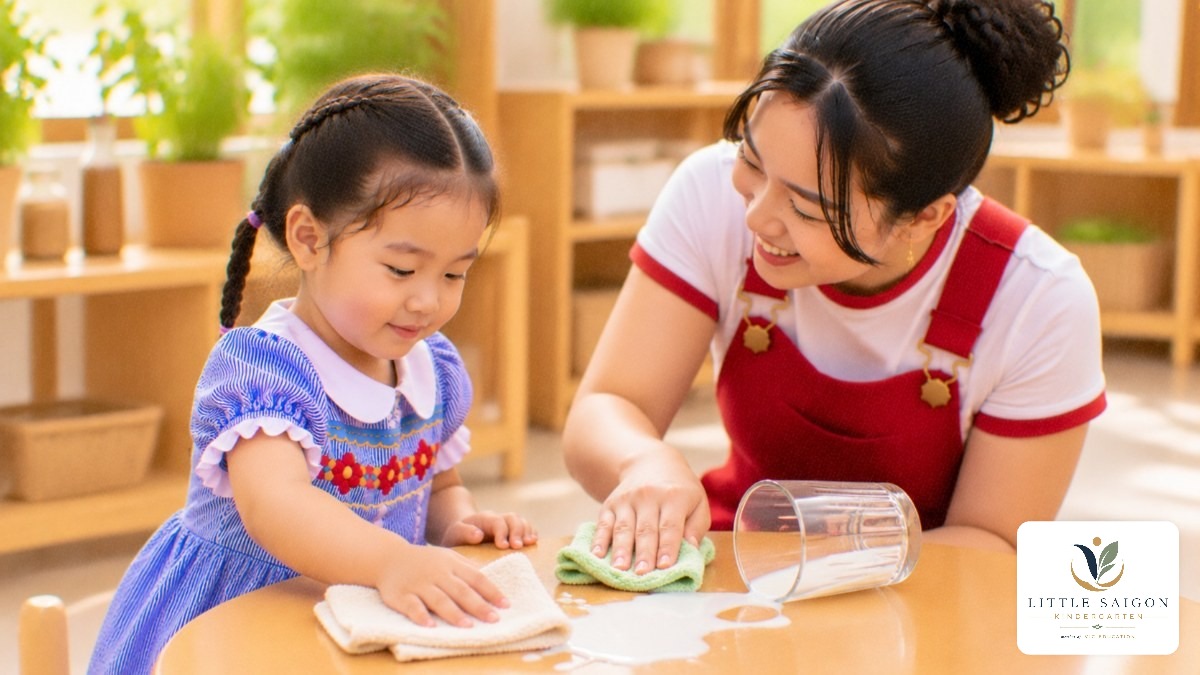
Why parents lose their temper, how shouting affects young children, three steps to repair afterwards and eight ways to keep calm.

Attachment theory for parents, why good enough is enough, eight daily habits that build secure attachment and reassurance for working parents.
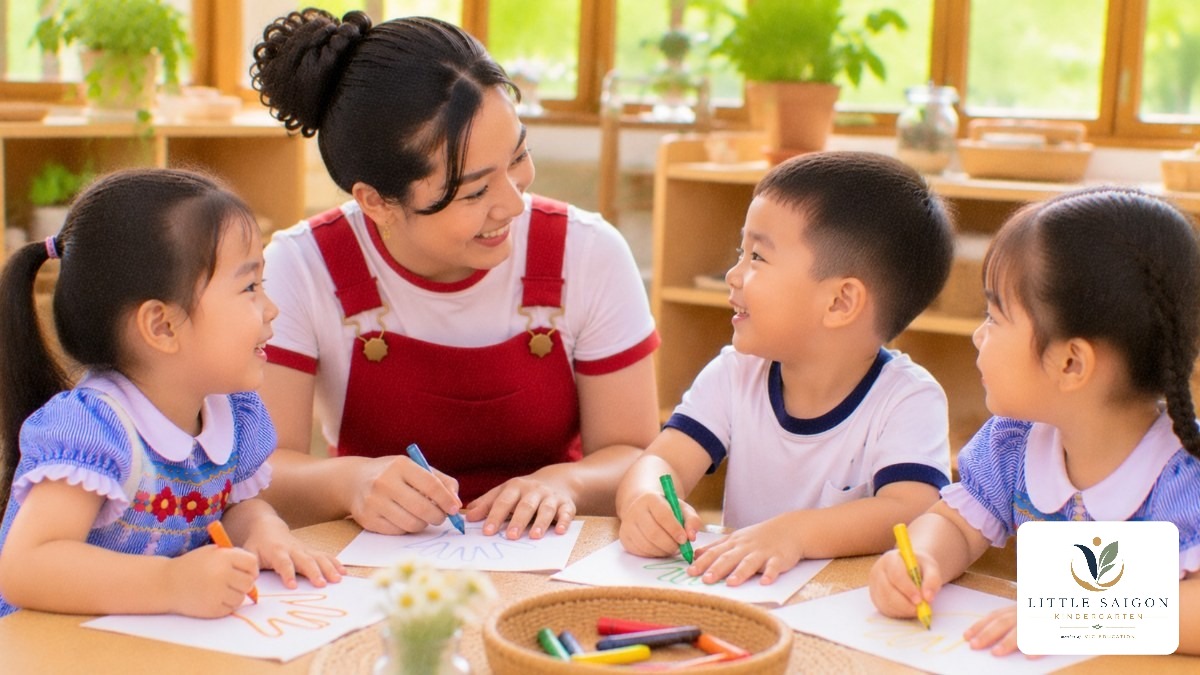
How to teach private-parts rules, the right to say no, secrets versus surprises, the five trusted adults and what parents need to do.

A four-week plan to prepare your child emotionally and practically for nursery or kindergarten, how to say goodbye and what is normal in the first month.

What research says about spanking, why no hitting does not mean permissive, nine positive discipline tools and what to do when a child hits a sibling.

Research on praise and growth mindset, three kinds of praise, ten better phrases and what to say when your child fails.

Why two- to six-year-olds fear the dark and have nightmares, five things not to say, eight ways to help and when to ask a specialist.

Five myths about early bilingualism, why children mix two languages, and how parents who are not fluent in English can support their child.

Why preschoolers lie, lying at each age, reactions to avoid and seven ways to nurture honesty without punishment or threats.
When children stop wearing nappies, eight signs of readiness, six steps to tear-free potty training and what to do about setbacks.

Why some children are shy and slow to warm up, five things adults should avoid and seven ways to build confidence that respect temperament.
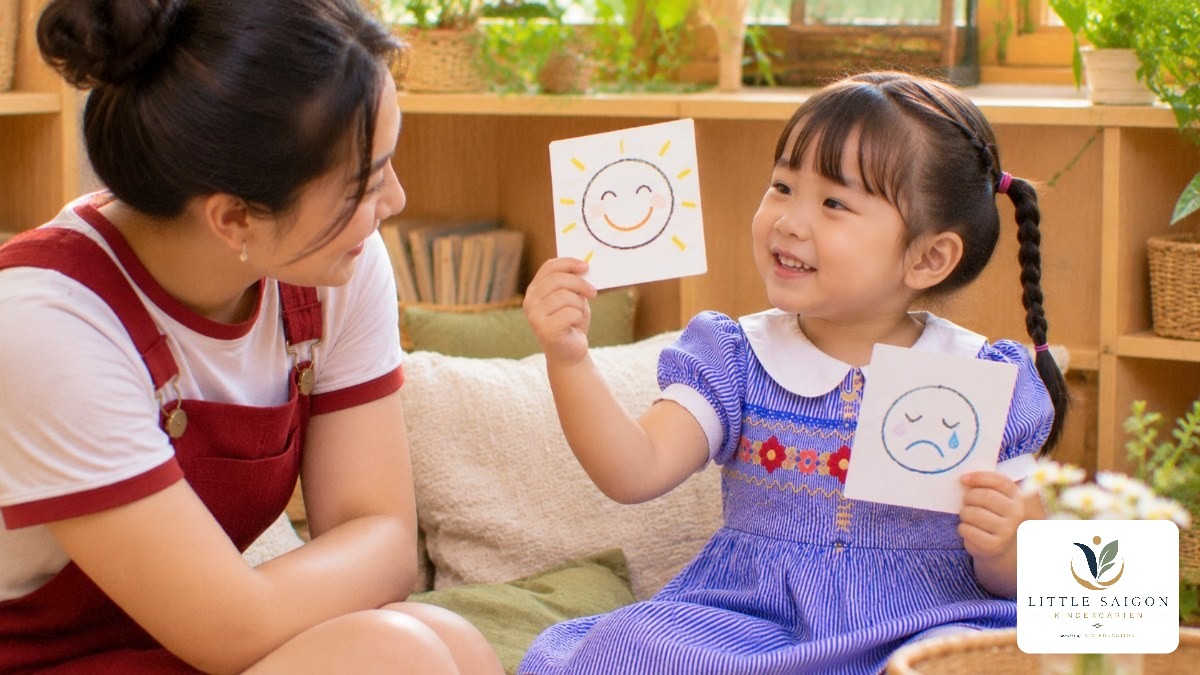
What emotional intelligence is in young children, four parental response styles, five steps of emotion coaching and feeling words to teach by age.
Why children are jealous of a new sibling, common regressions, how to prepare your child before the birth and seven ways to help siblings bond.

Why two- to four-year-olds say no, four parenting styles, and seven positive discipline techniques for setting limits without shouting or hitting.
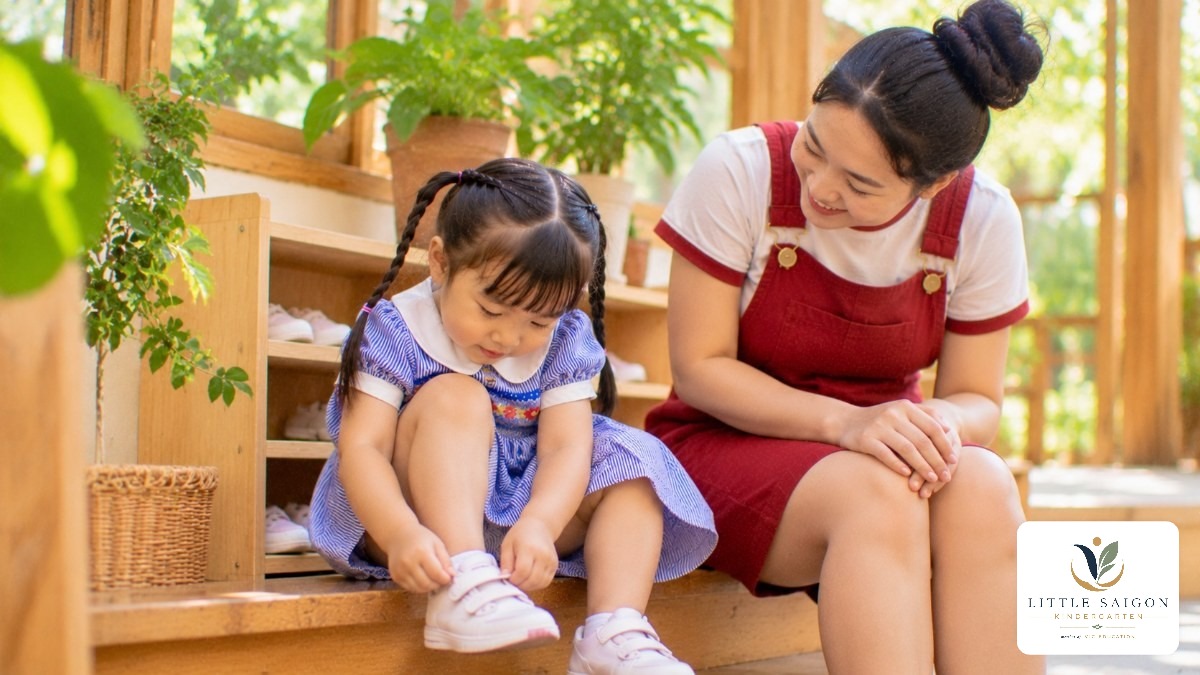
Why to let children do it themselves, age-appropriate chores and self-care tasks from 1 to 6, and four steps for teaching a new skill.

Sleep needs from ages 1 to 6, signs of too little sleep, a thirty-minute bedtime routine and what to do when your child stalls.

Why one- to three-year-olds bite and hit, how adults should respond in the moment, and how to teach words in place of actions.

Language milestones by age, signs of speech delay that need a check-up, and seven daily habits that help your child talk more.

Why two- and three-year-olds have tantrums, what happens in the brain, and five steps to ride out the storm without shouting or giving in.
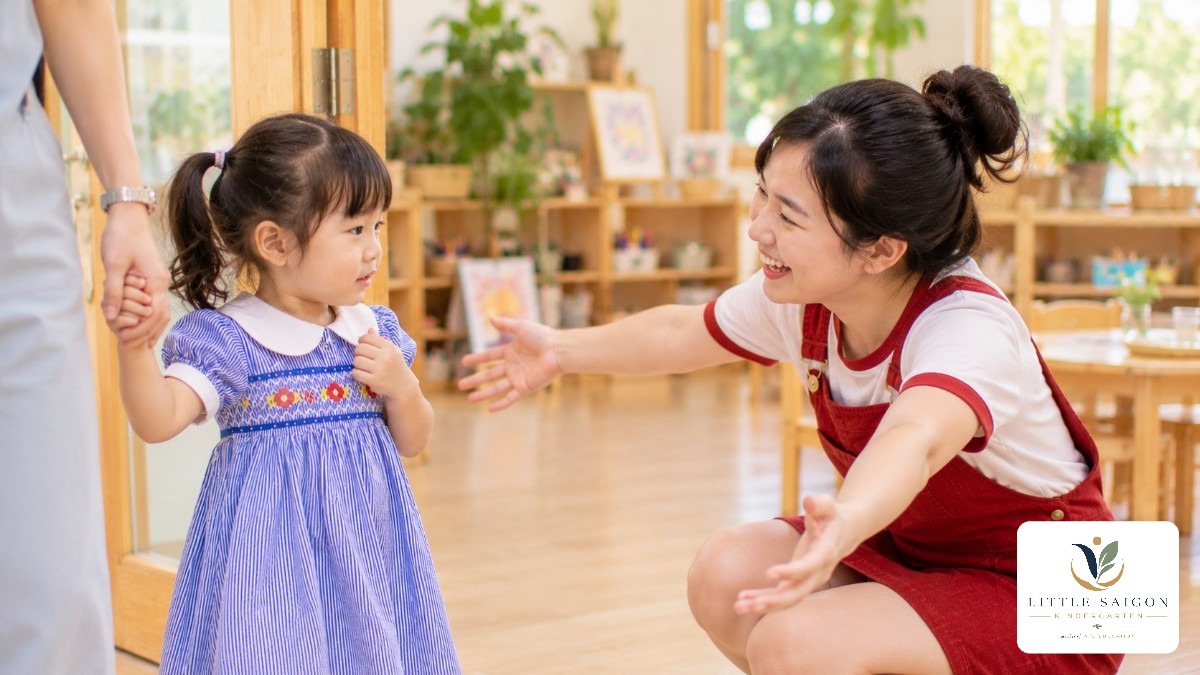
Why children cry when parting from parents, how long settling in takes, and a goodbye ritual that makes mornings gentler for the whole family.



Chi Nguyen
Founder & Principal
M: +84 967 168 058
 Campus 1:
VICTORIA BILINGUAL PRESCHOOL SYSTEM HCMC
29 Sử Hy Nhan, Phường Thạnh Mỹ Lợi, TP. Thủ Đức
Tel: 028 3535 0159
Hotline: 0967168058
Follow us




Campus 2:
LITTLE SAIGON KINDERGARTEN
63/16 Đường Số 36, Phường Linh Đông, TP. Thủ Đức
Tel: 028 3535 7589
Hotline: 0967168058
Follow us